
25
JuneThe Complete Guide to Dental Implants: Costs, Procedures, and What to Expect
Losing a tooth can implant teeth price in malaysia far more than just your smile. It affects how you chew, how you speak, and over time, it can cause the surrounding jawbone to weaken and shrink. While dentures and bridges have been the traditional fixes for missing teeth for decades, dental implants have become the gold standard in modern dentistry.
If you are considering a dental implant, you likely have questions about the timeline, whether the procedure hurts, what it costs, and if you are even a good candidate. This comprehensive guide breaks down everything you need to know about dental implants so you can make an informed decision for your oral health.
What is a Dental Implant?
Unlike dentures, which sit on top of the gums, or bridges, which rely on neighboring teeth for support, a dental implant replaces the entire tooth structure—including the root.
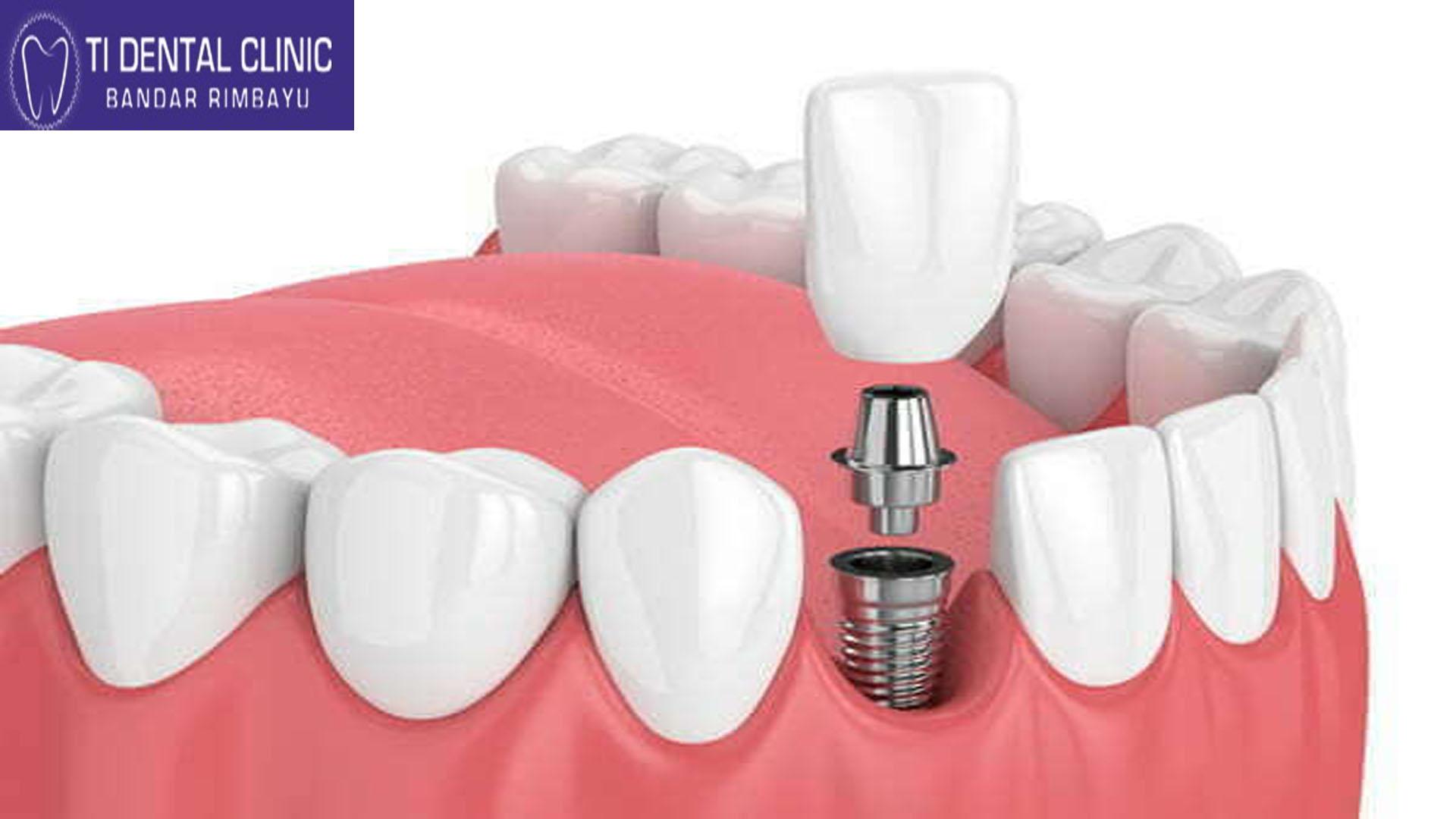
A standard dental implant consists of three distinct parts:
The Implant Post: A small, screw-like post typically made of biocompatible titanium. This is surgically placed into your jawbone, where it acts as a root for your new tooth.
The Abutment: A small connector piece that screws into the implant post. It sits right at or just above the gum line to securely hold the final replacement tooth.
The Crown: The custom-made artificial tooth that is attached to the abutment. It is crafted from ceramic or porcelain to perfectly match the color, shape, and size of your natural teeth.
Because the titanium post fuses directly with your bone, implants provide a rock-solid foundation. They won't slip, click, or shift, allowing you to eat, speak, and smile with absolute confidence.
The Step-by-Step Implant Journey
Getting a dental implant is a multi-step process that requires patience. Because it relies on your body’s natural healing ability to lock the implant into place, the entire journey typically takes anywhere from 3 to 9 months, depending on your individual health and jawbone density.
Here is a breakdown of what the typical treatment timeline looks like:
1. Initial Consultation and Digital Imaging
Before any surgery happens, your dentist or oral surgeon will perform a thorough exam. This includes taking 3D cone-beam CT scans of your mouth. These scans allow the doctor to evaluate your bone density, locate nerves and sinuses, and precisely map out where the implant should go.
2. Pre-Surgical Preparations (If Needed)
If the missing tooth is still in your mouth, it will need to be extracted. Furthermore, if you have been missing a tooth for a long time, the jawbone in that area may have thinned out. If there isn't enough bone to support the implant, you may need a bone graft. A bone graft uses a small amount of natural or synthetic bone material to reinforce the area. If a bone graft is performed, it can add 3 to 6 months of healing time before the implant post can be placed.
3. Placing the Implant Post
During the actual implant surgery, the surgeon will make a small incision in your gum to expose the bone. They will then use specialized tools to create a space and gently insert the titanium post. Once placed, the gum is stitched back over or around the post.
Does it hurt? The procedure itself is entirely painless because it is performed under local anesthesia (and sometimes sedation). Most patients report that the recovery is much easier than a tooth extraction, manageable with standard over-the-counter pain relievers for a few days.
4. Osseointegration (The Healing Phase)
This is the most critical phase. Over the next 3 to 6 months, a natural process called osseointegration (where bone grows and fuses to the titanium surface) takes place. This biological bond is what makes dental implants uniquely strong and permanent. During this waiting period, you may wear a temporary crown or flipper so you don't have a visible gap.
5. Attaching the Abutment
Once the bone has completely bonded with the implant, a minor follow-up procedure is performed to attach the abutment. The surgeon reopens the gum slightly to expose the top of the implant post, screws the abutment in place, and allows the gum tissue to heal around it for about two weeks.
6. Designing and Placing the Custom Crown
Finally, impressions or digital scans are taken of your mouth to create your permanent crown. A dental lab custom-crafts the crown to match your bite and color scheme. Once ready, your dentist will screw or cement the crown onto the abutment. Your new tooth is now complete!
Types of Dental Implants
Depending on how many teeth you are missing and the condition of your jawbone, your dentist will recommend one of a few structural approaches:
Single-Tooth Implant: One implant post and one custom crown to replace a single missing tooth.
Implant-Supported Bridge: If you are missing several teeth in a row, a bridge can be attached to two or more implant posts, eliminating the need to grind down adjacent healthy teeth.
All-on-4 or All-on-6 (Implant-Supported Dentures): If you are missing an entire arch of teeth (top or bottom), a full set of teeth can be permanently secured using just four to six strategically placed implants. This is a game-changer for people who struggle with loose, slipping traditional dentures.
Who is a Candidate for Dental Implants?
Most adults who are healthy enough to undergo a routine dental extraction are excellent candidates for implants. However, a few key factors determine success:
The Ideal Candidate
Healthy Gums: Free from periodontal (gum) disease, which can cause implant failure.
Adequate Bone Density: Enough jawbone structure to firmly lock the implant in place.
Fully Developed Jaw: Implants cannot be placed in children or teenagers whose jawbones are still growing.
Potential Roadblocks
Certain lifestyle habits and medical conditions don't automatically disqualify you, but they do require careful management and can lower success rates:
Smoking: Nicotine constricts blood vessels and severely hinders the bone-healing process, significantly increasing the risk of implant failure. Many surgeons require patients to quit smoking before and after the procedure.
Uncontrolled Diabetes: Poor blood sugar management slows down healing and increases the risk of infection.
Active Periodontal Disease: Any existing infections must be fully treated and resolved before an implant can be safely introduced.
Longevity and Care: How Long Do They Last?
One of the biggest selling points of a dental implant is its lifespan. While a traditional dental bridge usually needs to be replaced every 7 to 15 years, a dental implant is designed to last a lifetime if properly cared for.
Because the implant crown is made of synthetic materials, it cannot develop cavities. However, the surrounding gums and bone are still vulnerable to infection. A condition known as peri-implantitis—essentially gum disease around an implant—can cause the bone supporting the implant to break down, leading to failure.
To ensure your implant lasts for decades, follow the same routine you would for natural teeth:
Brush twice a day with a soft-bristled toothbrush.
Floss daily, using a specialized implant-safe floss or a water flosser to clean hard-to-reach areas around the abutment.
Visit your dentist regularly (every 6 months) for cleanings and to check the structural integrity of the implant and crown.
Avoid chewing on hard objects like ice, hard candy, or pens, which can chip the ceramic crown.
Cost Breakdown: An Investment in Your Health
There is no sugarcoating it: dental implants have a higher upfront cost than alternative options. However, when you factor in their lifelong durability and their ability to protect your jawbone, they often prove to be the most cost-effective solution over time.
Average Expected Costs
The total cost of a single dental implant (including the post, abutment, and crown) generally ranges from $3,000 to $5,000 per tooth. If you require advanced preparatory procedures like tooth extractions, bone grafting, or a sinus lift, the total can increase. A full-mouth restoration using the All-on-4 method typically ranges from $15,000 to $30,000 per arch.
Insurance and Financing
Historically, dental insurance viewed implants as a cosmetic procedure and provided little to no coverage. Today, that is changing. Many insurance plans will cover a percentage of the crown or the initial tooth extraction, even if they don't pay for the surgical post itself.
Additionally, many dental offices offer monthly financing plans through healthcare credit providers (like CareCredit), allowing you to break the total cost down into manageable interest-free installments.
Comparing Your Options
If you are weighing your choices, it helps to see how implants stack up against traditional alternatives:
| Feature | Dental Implant | Traditional Bridge | Removable Partial Denture |
| Lifespan | 25+ years (Lifetime) | 7 to 15 years | 5 to 10 years |
| Bone Preservation | Yes — stimulates bone | No — bone thins over time | No — bone thins over time |
| Impact on Other Teeth | None | Requires grinding adjacent teeth | Clips onto and strains neighbor teeth |
| Chewing Power | 100% (Like a natural tooth) | ~70% | ~30% to 40% |
| Upfront Cost | High | Moderate | Low |
Final Thoughts: Are They Worth It?
While the procedural timeline is long and the upfront dental implants cost commitment is significant, the vast majority of dental implant patients report a exceptionally high satisfaction rate.
By restoring your natural chewing capacity, protecting your jawbone from deteriorating, and giving you back a seamless smile, dental implants don't just replace a missing tooth—they protect your long-term health and restore your quality of life. Schedule a consultation with an experienced dental professional or oral surgeon to evaluate your mouth and build a customized treatment plan tailored specifically to you.
Reviews